About IBRP Rehab

Learn about our mission, our team, and our commitment to your recovery.

Our Story

In March 2007, after a medically supervised detox at a hospital in Oakland and a residential stay that lasted sixty-one days, our founder — a mechanical engineer who had spent most of his thirties hiding a benzodiazepine and alcohol dependence from his employer, his family, and himself — began his second year of recovery. What he could not shake, in that second year, was how close he had come to dying without ever finding a treatment setting that felt built for him. The places that existed were either punitive, luxury-priced, or wrapped in a language of shame that made it almost impossible to walk through the door.

He spent the next two years sketching what a different program would look like. He asked clinicians what they would change if the insurance billing structure allowed it. He asked other people in recovery what small things had made a treatment episode finally stick — and what small things had pushed them back out the door. He began assembling capital, staff, and a former medical office building on El Camino Real. IBRP Rehab opened its doors to its first resident in 2009. Nineteen years later, the founder is still sober, still on site most weeks, and the founding principle has not changed: treat the person across the desk as an adult who has shown up for their own life, and build the clinical scaffolding that lets them keep showing up.

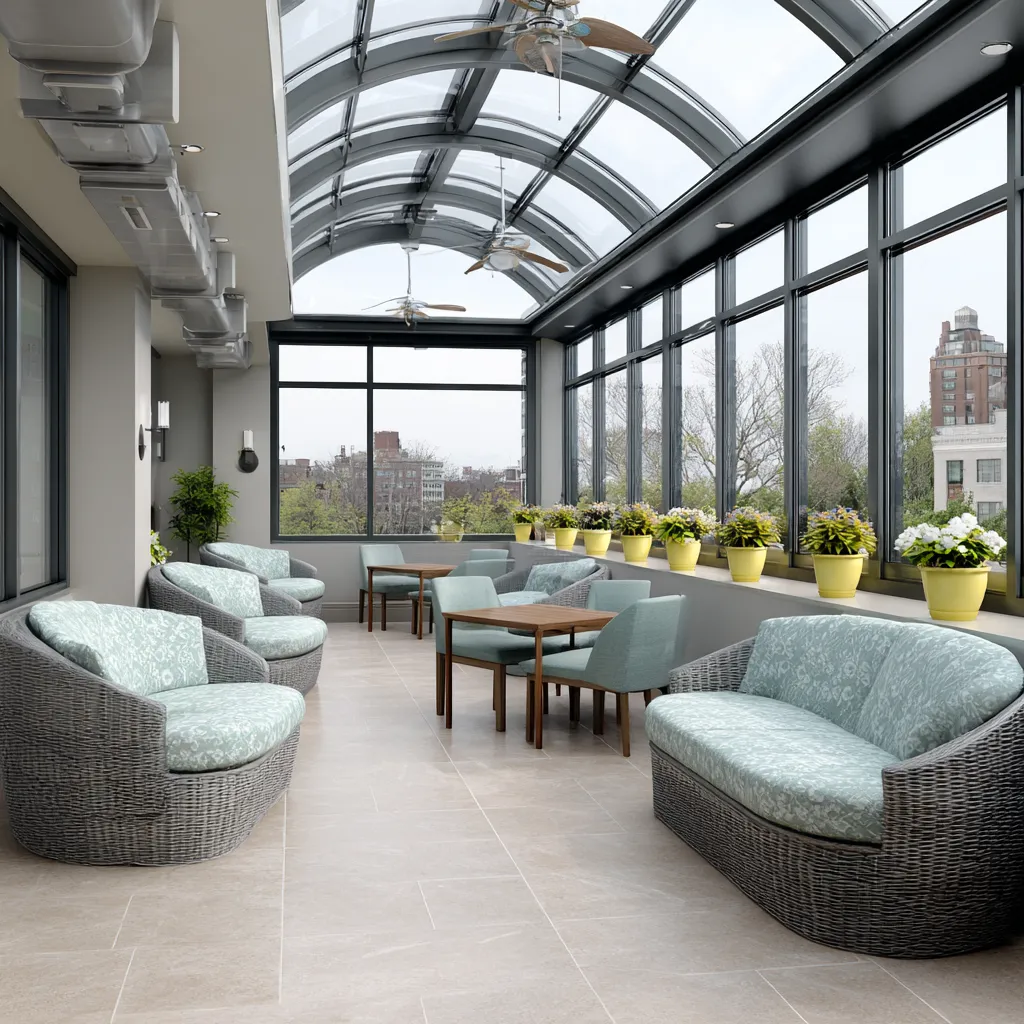
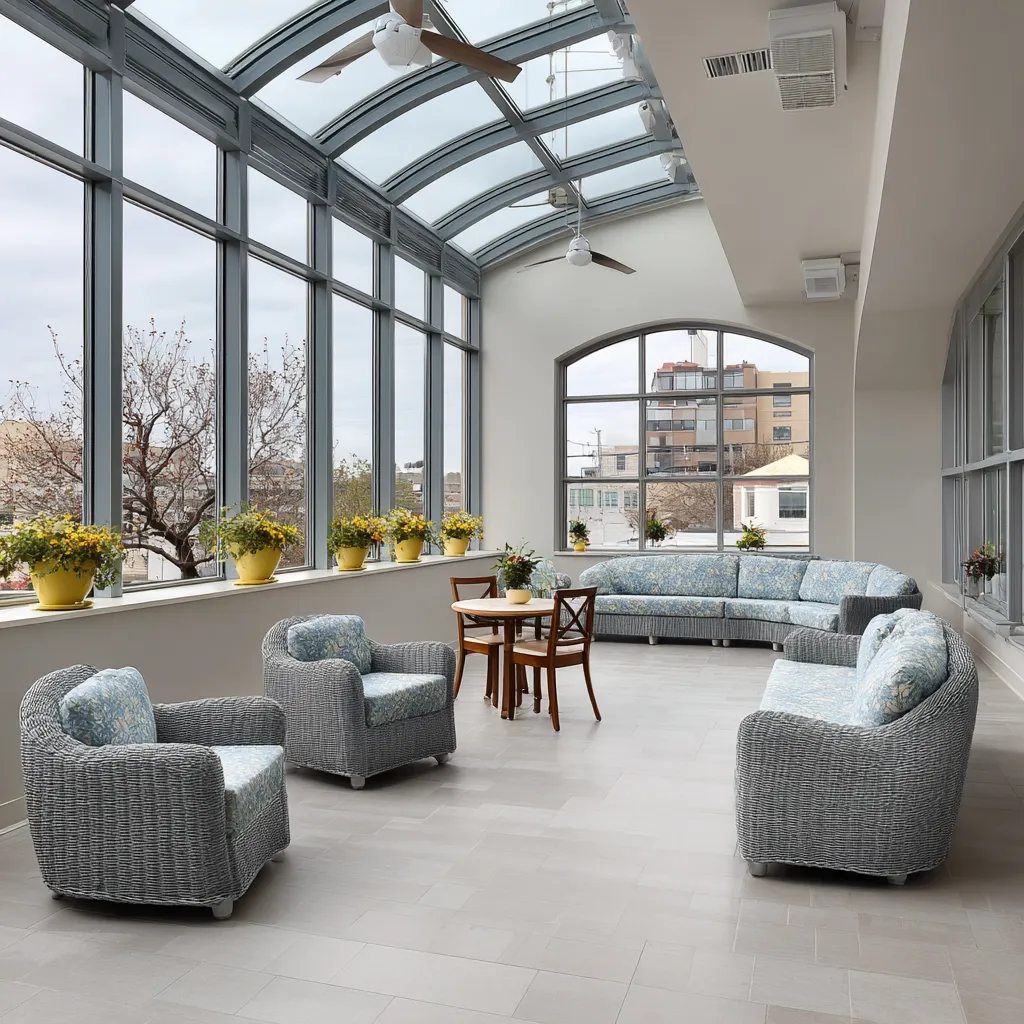
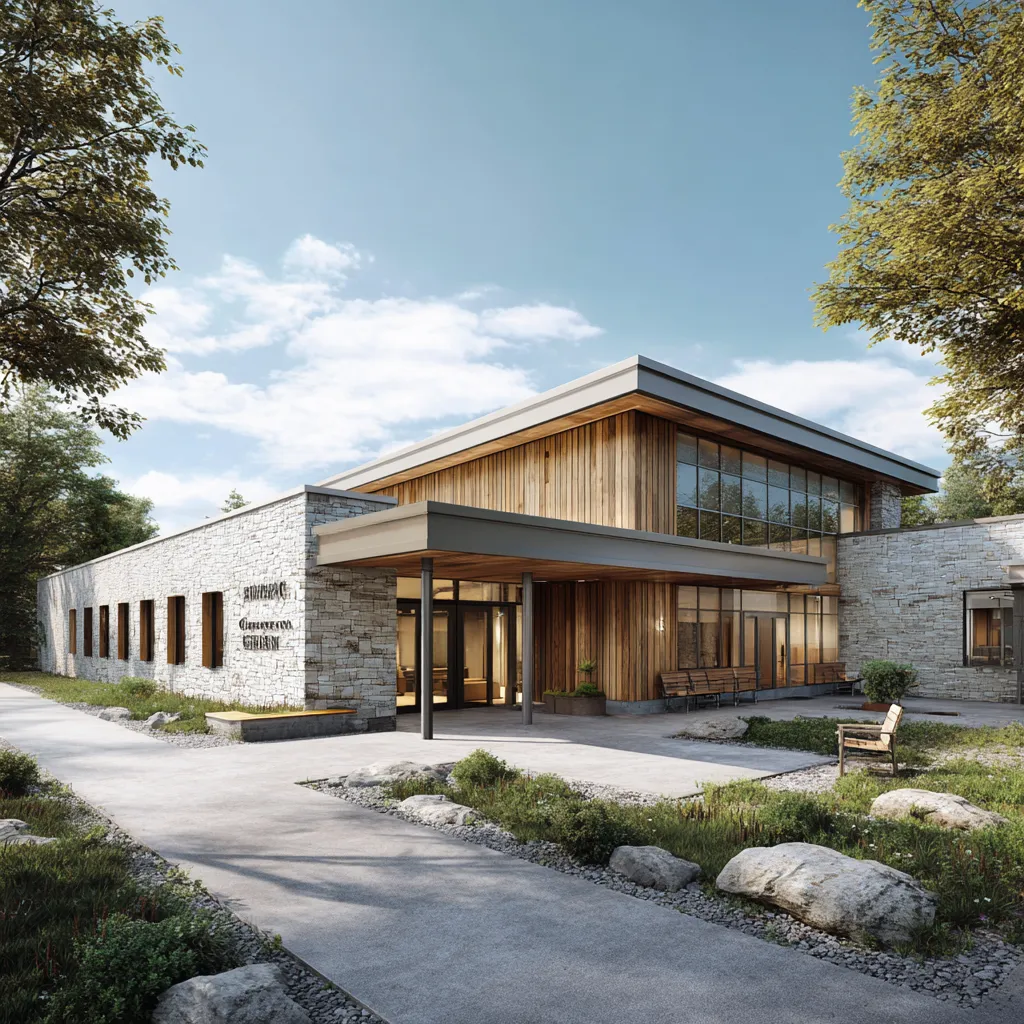
IBRP Rehab building Facility view Facility view

Our Mission

Our mission is to deliver clinically rigorous addiction treatment with the kind of dignity every patient deserves and almost none have been given — regardless of substance history, insurance tier, or how many prior attempts brought them to our door.

Dignity-first is not a slogan at IBRP Rehab. It is a set of concrete practices. We never use the word "clean" to describe sobriety, because its opposite is "dirty," and no patient is dirty. We never require someone to recite their relapse count to prove they belong here. We never schedule group time that exposes a resident to humiliation for therapeutic theater. We document in the language of medicine, because addiction is a medical condition, and we treat it that way.

IBRP stands for Integrity, Belonging, Recovery, Presence — the four words our founder posted on the wall of the first staff break room in 2009 and has never taken down.

Treatment Philosophy

Three clinical pillars organize the work at IBRP. They show up in every treatment plan, every group curriculum, and every staff orientation.

Community Reintegration

Recovery does not live inside a facility; it lives in the life a patient re-enters. Our discharge planning begins at admission — housing, employment, legal, family, and peer-support coordination are mapped in the first week, not the last. Alumni Saturdays and the 24-hour peer-support line keep the community alive past the residential door.

Creative Expression as Healing

Language is not always the fastest path into buried material. Our creative arts studio — music, visual art, psychodrama, movement — is not an amenity. It is a clinical tool, led by licensed expressive-arts therapists, available to every resident as part of the treatment plan. For first responders, patients with complex trauma, and residents who have been in traditional therapy their whole lives without relief, this is often where the work finally cracks open.

Motivational Enhancement

Confrontational, shame-based treatment styles produce short-term compliance and long-term dropout. Our clinicians use motivational interviewing as the baseline conversational style — reflective, non-adversarial, centered on the patient's own stated reasons to change. This is not a softer approach; it is the one the evidence says actually works.

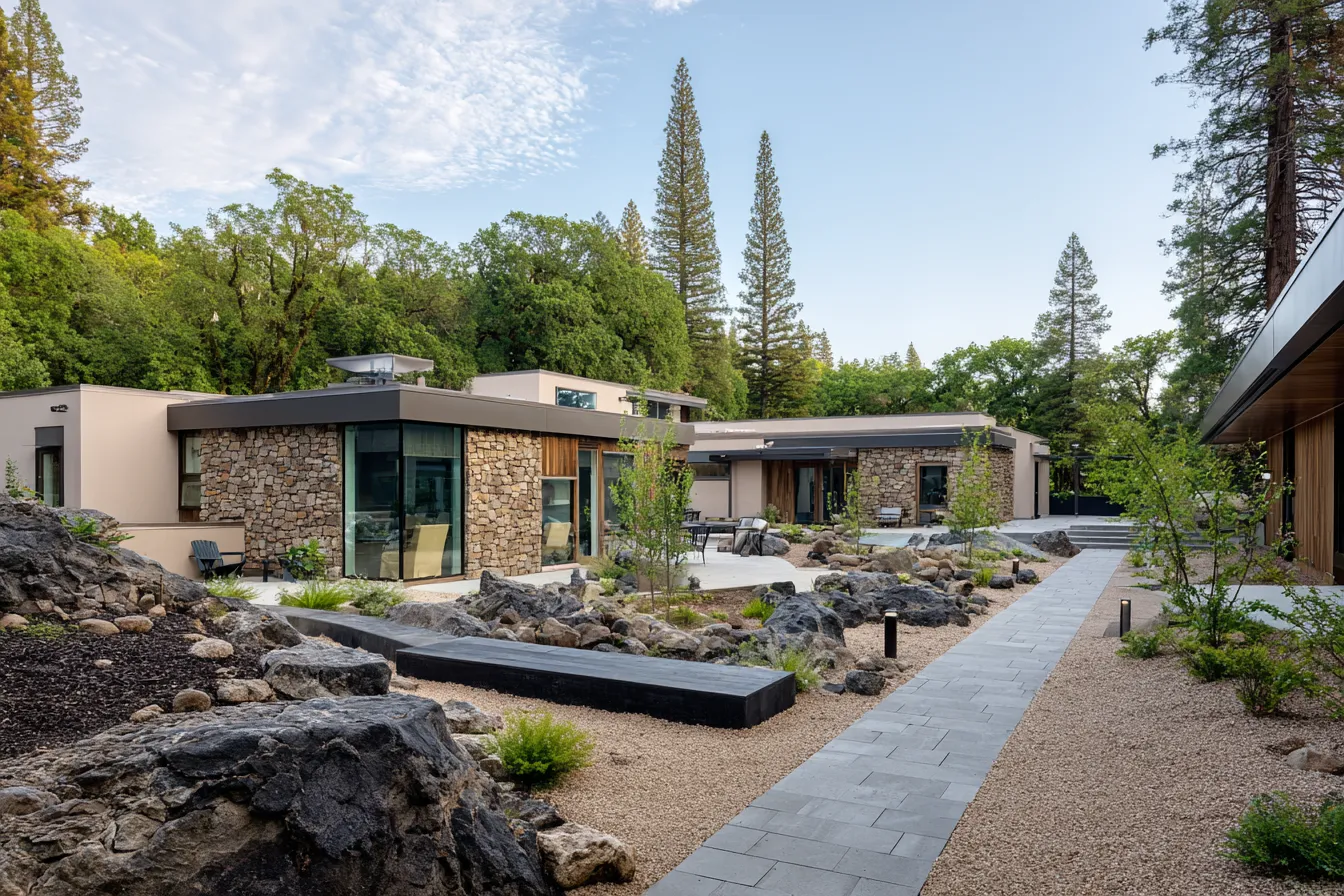
Therapy session

Our Team

Executive Director

Theodore "Teddy" Morales

Founder & Executive Director

Founder of IBRP Rehab and nineteen years sober. Teddy trained as a mechanical engineer at UC Berkeley, spent a decade in Bay Area manufacturing before entering recovery, and completed a CAADE-accredited counseling certification in 2011. He oversees strategic direction and alumni programming, and still facilitates one Saturday morning community meeting a month.

Medical Director

Dr. Priya Ramachandran, MD

Medical Director

Board-certified in addiction medicine and internal medicine, with fifteen years of inpatient experience at Stanford Health Care before joining IBRP in 2018. Dr. Ramachandran leads the medical detox wing, sets withdrawal protocols, and chairs the weekly clinical rounds that coordinate care across medical, psychiatric, and therapy teams.

Clinical Director

Jordan Asante, LMFT, CADC-II

Clinical Director

Jordan directs all therapy curricula and leads the trauma-informed-care training cycle for the entire 127-person staff. A certified EMDR practitioner and published author on first-responder-specific treatment protocols, he designed the peer mentorship pairing system that structures every residential admission at IBRP.

Accreditations & Certifications

IBRP Rehab maintains the highest standards of care through nationally recognized accrediting bodies.

Alumni Testimonials

"Twenty-two years on the engine company. I had seen things nobody should have to carry home, and somewhere along the way the bottle stopped being a social thing and started being the only off-switch I had. Walking into IBRP terrified me — I was certain I would run into a coworker or someone's cousin. The intake team understood that immediately. They put me in a peer group with two other first responders and a retired nurse. Nobody pretended my job was the whole story, but nobody treated it as background either. I made it through residential, and I am still working as a firefighter three years later, sober."

— Daniel V., residential alumnus, 2023

"This was my fifth treatment center in eleven years. I had stopped believing rehab worked for people like me — chronic relapsers, long histories, every excuse already used. What made IBRP different was that they did not pretend the previous four did not happen. They went through each one honestly, asked what had worked even for a few weeks, and built a plan around those fragments instead of around a brand-new theory. I am fourteen months sober and for the first time I can imagine the next fourteen."

— Patrice L., residential alumna, 2024

"I did not want to be there. My sister drove me, and I spent the first intake meeting with my arms crossed answering in one-word sentences. I was sure I was going to sign out within 48 hours. The thing that kept me was the morning community meeting on day three — a resident who had been there six weeks spoke for maybe two minutes about something very specific he was afraid of. Nobody interrupted him. Nobody tried to fix it. I stayed for the whole 45 days."

— Marcus H., residential alumnus, 2024

Ready to Start Your Recovery?

Contact our team for a confidential, no-obligation conversation.